
Football supporter communities are far more than groups of fans cheering from the stands — they are cultural ecosystems that shape the identity of the game, foster belonging, and extend football’s impact well beyond matchday. Organized supporter communities play a crucial role in strengthening local and global football culture through connection, identity, and collective action.
1. They Build Community and Shared Identity
Being part of an organized supporter group gives fans a sense of identity and belonging. Fans don’t just support a team — they become part of something larger than themselves. Shared traditions, rituals, chants, and matchday experiences bind members together, forming strong interpersonal bonds and emotional support networks. This sense of shared identity helps individuals feel connected in ways that everyday life sometimes cannot offer.
2. They Amplify Fan Voices
When supporters are organized, their collective voice becomes stronger. Traditionally, individual fan concerns could easily be overlooked. But supporter communities — whether through official supporters’ trusts, fan committees, or organized clubs — can advocate for fan interests, influence club decisions, and raise awareness around matters like ticket pricing, matchday experience, and club governance.
3. They Preserve Culture and Traditions
Supporter groups are often the keepers of football culture — safeguarding chants, matchday rituals, visual displays, and historical narratives that define what it means to be a fan. These traditions help maintain continuity as clubs evolve over time, keeping the spirit and heritage of the game alive for future generations.
4. They Strengthen Social Cohesion
Football clubs and their supporters cut across age, class, ethnicity, and background, creating a shared cultural space where diverse individuals can come together. Research suggests football serves as a social hub that can improve inclusion and connect people who might not otherwise interact, helping break down social barriers and encourage mutual understanding.
5. They Enhance Matchday Atmosphere
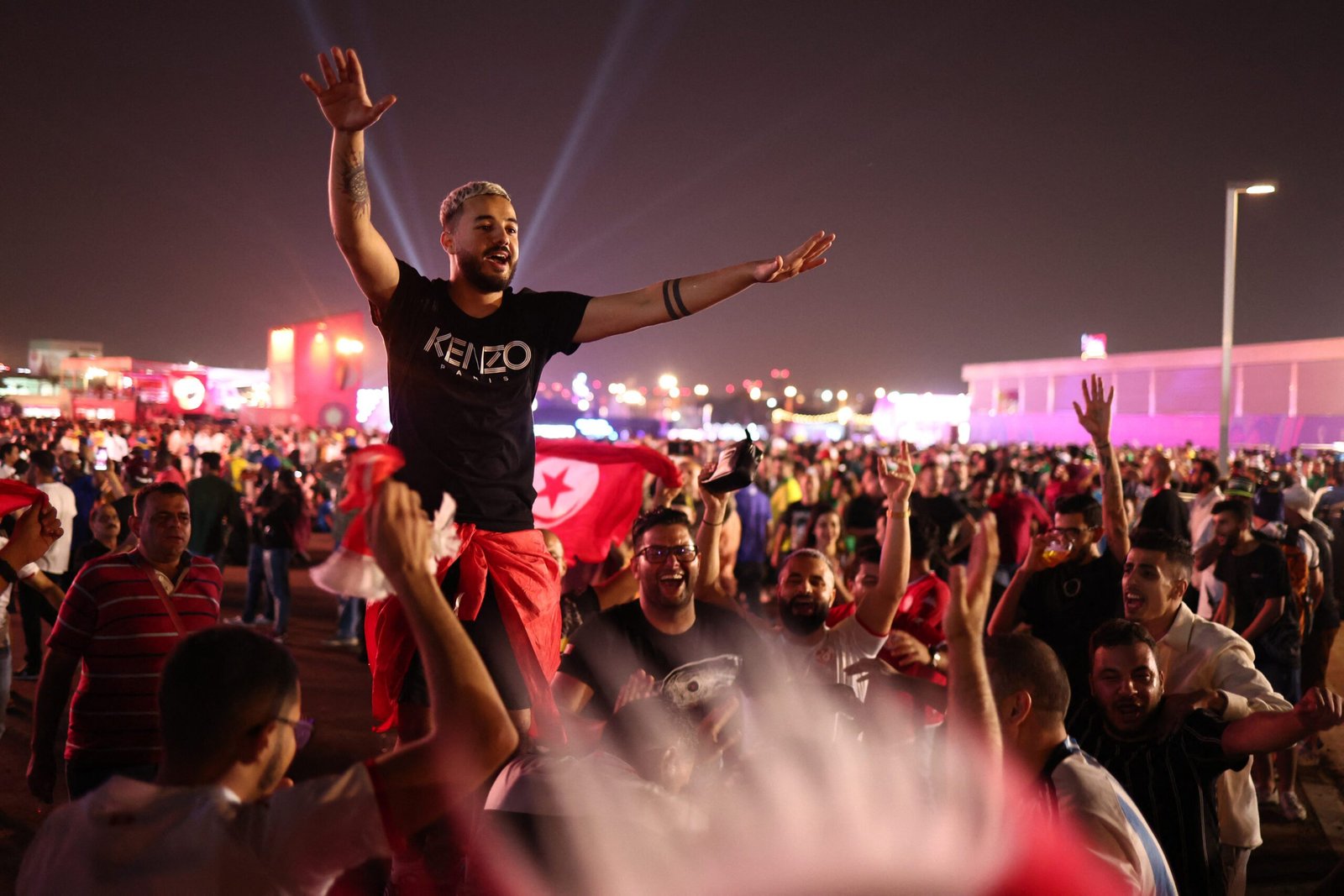
Organized supporters’ groups are often responsible for creating the pulsating energy found in stadiums worldwide. Coordinated chants, flag displays, and fan choreography — from Europe’s famous “Yellow Wall” to grassroots supporter sections everywhere — transform football matches into unforgettable live experiences that uplift players and electrify the crowd.
6. They Extend Football’s Reach Online and Across Borders
In the modern digital era, fan organization is no longer confined to physical stadiums. Digital platforms allow supporter communities to connect globally, expanding conversations across continents and enabling supporters in distant countries to share insights, passion, and cultural exchange. This global connectivity strengthens fan engagement beyond geography.
7. They Can Drive Positive Community Impact
A growing number of supporter communities engage in charitable work, local outreach, and fan‑led initiatives that benefit their cities and regions. Whether it’s organizing fundraisers, youth programs, or community events, these groups often extend football’s positive influence into everyday social life, contributing to both sport and society.
Conclusion
Organized football supporter communities matter because they transform passive fandom into active, meaningful engagement. They preserve tradition, give fans a voice, foster belonging, and enhance both social connection and cultural identity. Beyond cheering on matchday, these communities help football fulfill its potential as a global connector of people and cultures — something that aligns exactly with the mission of the North America–Africa Football Supporters Alliance (NAAFSA).